About Us
HUM-379 Research Group
The Cognitive Neuroscience group of the University of Granada was founded in 1995.
It currently consists of 36 members, of which half are doctors. Their
object of study is cognitive neuroscience: a field of research about the
brain foundations of human cognition, including attention, perception,
learning and memory processes, consciousness, emotion and social cognition. The
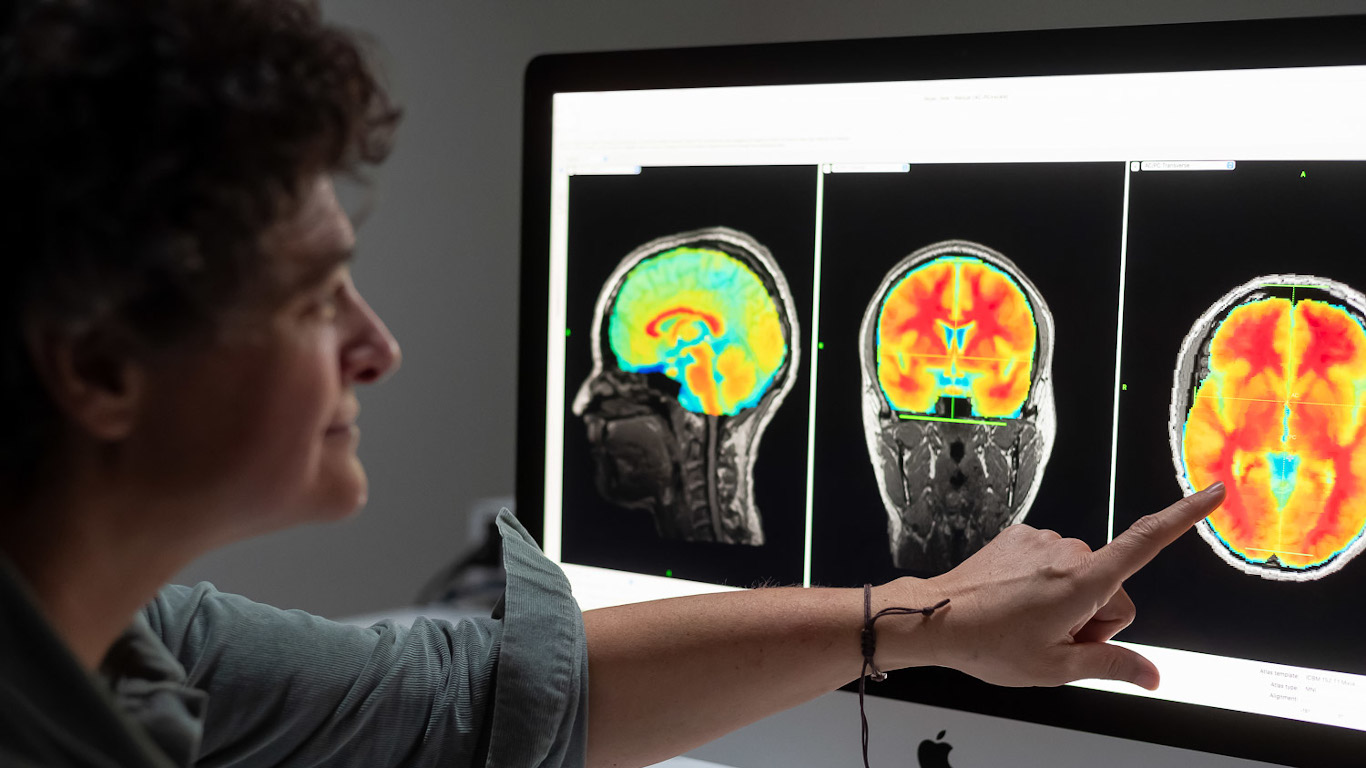
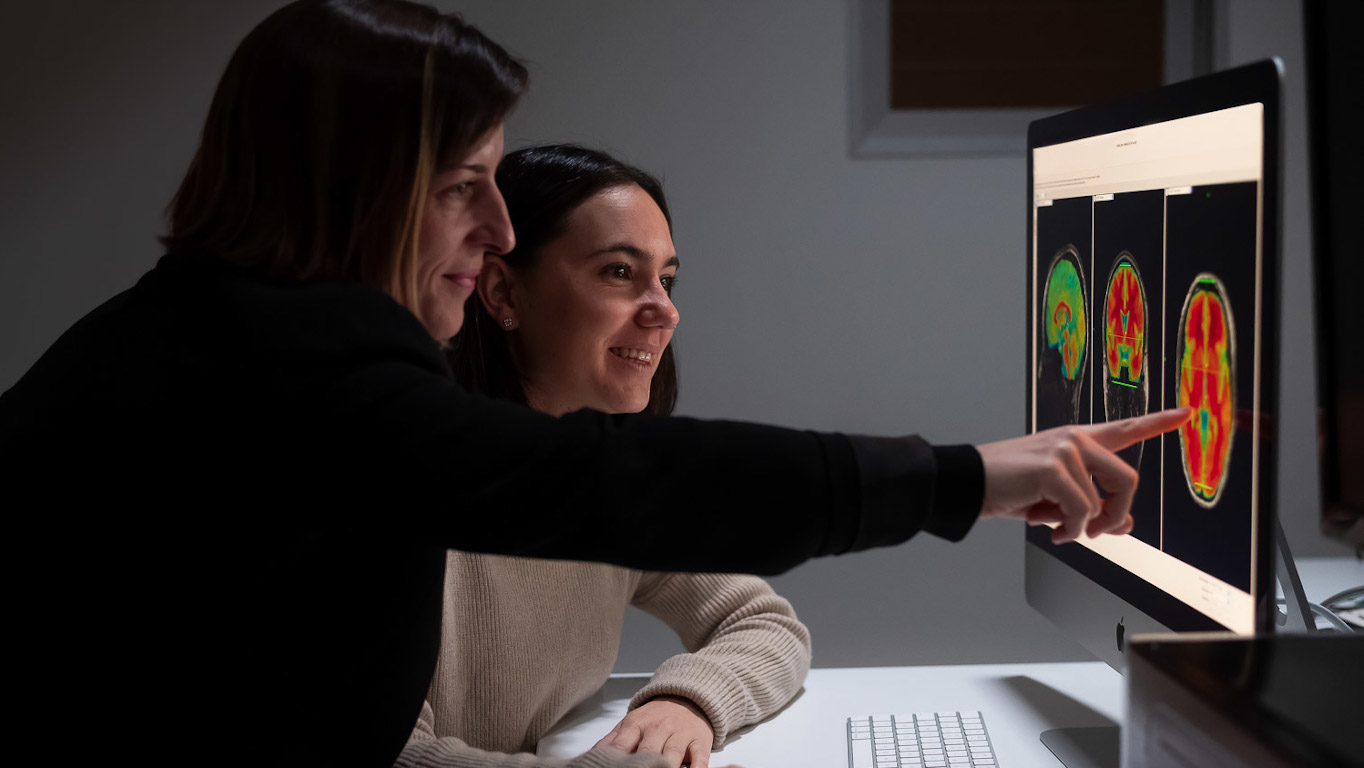
Techniques used include structural and functional neuroimaging (magnetic resonance
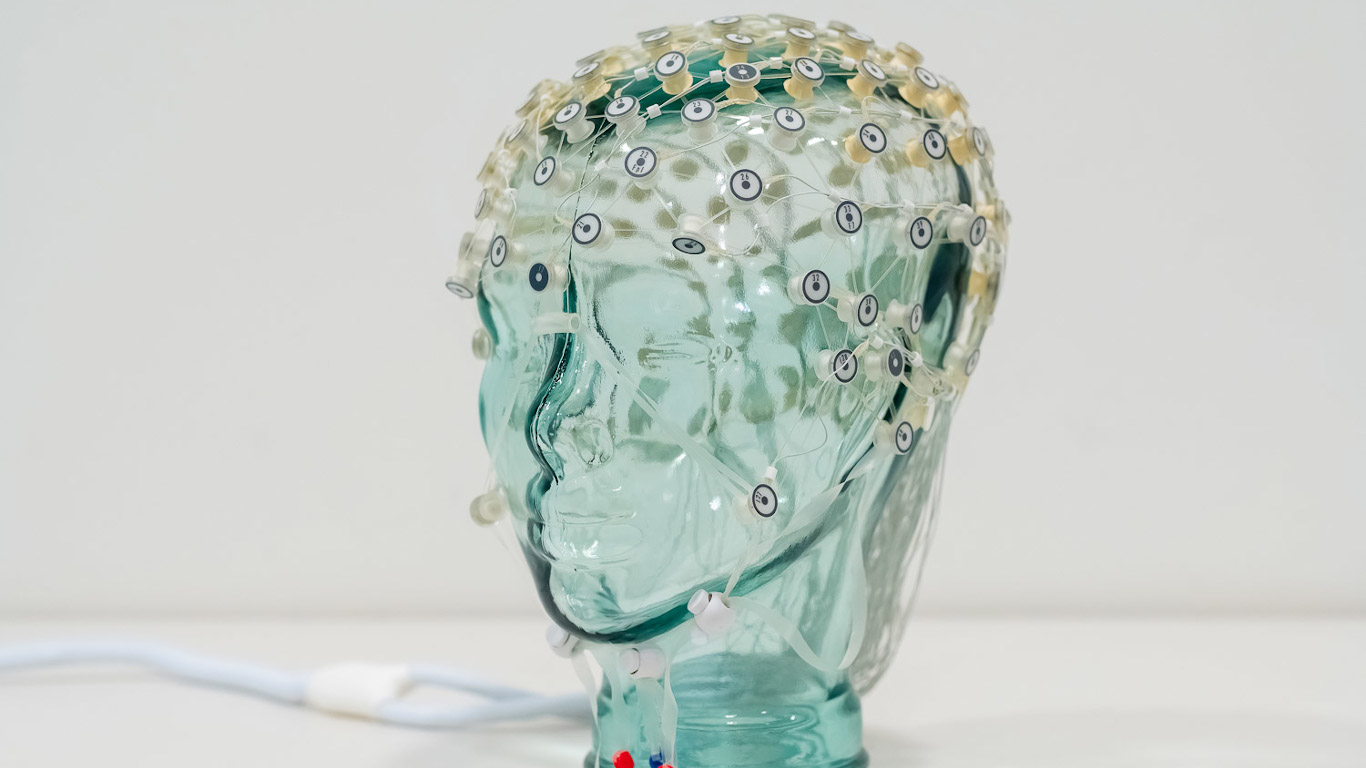
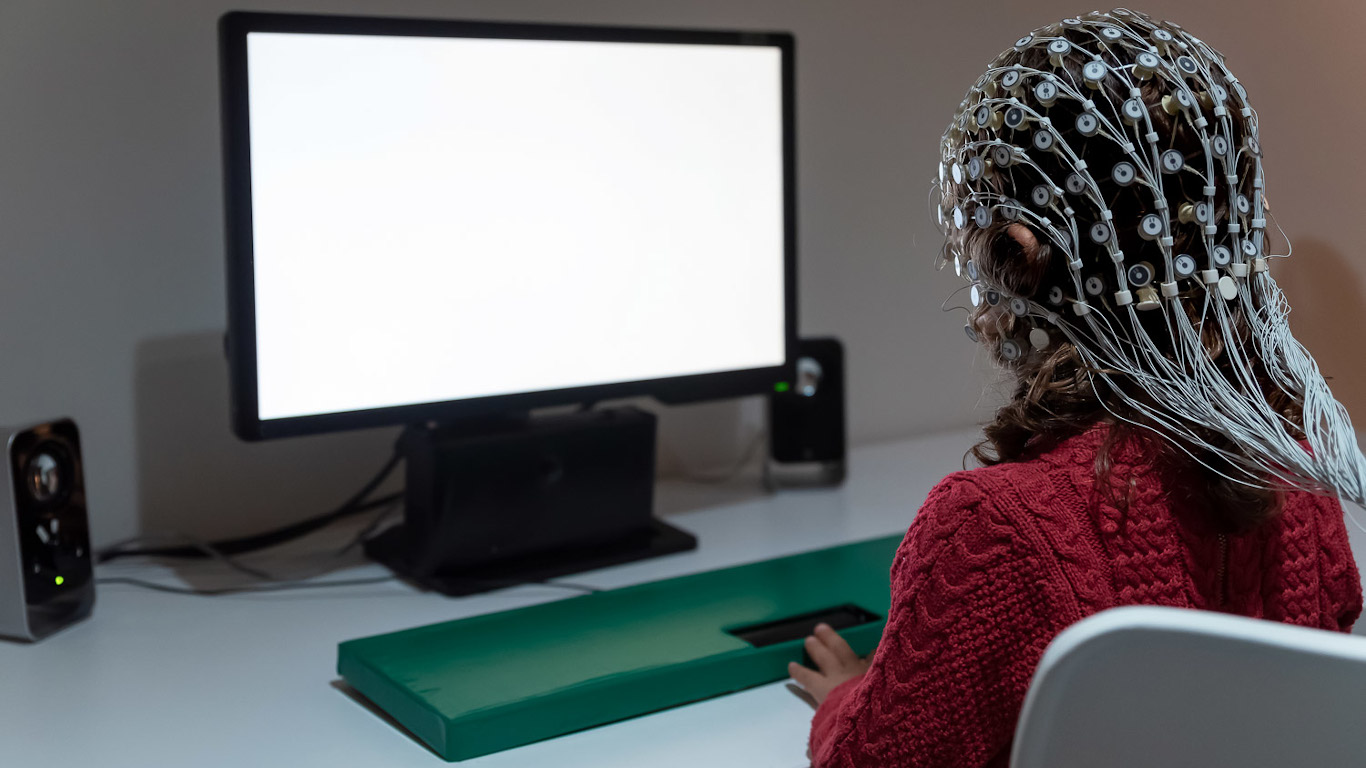
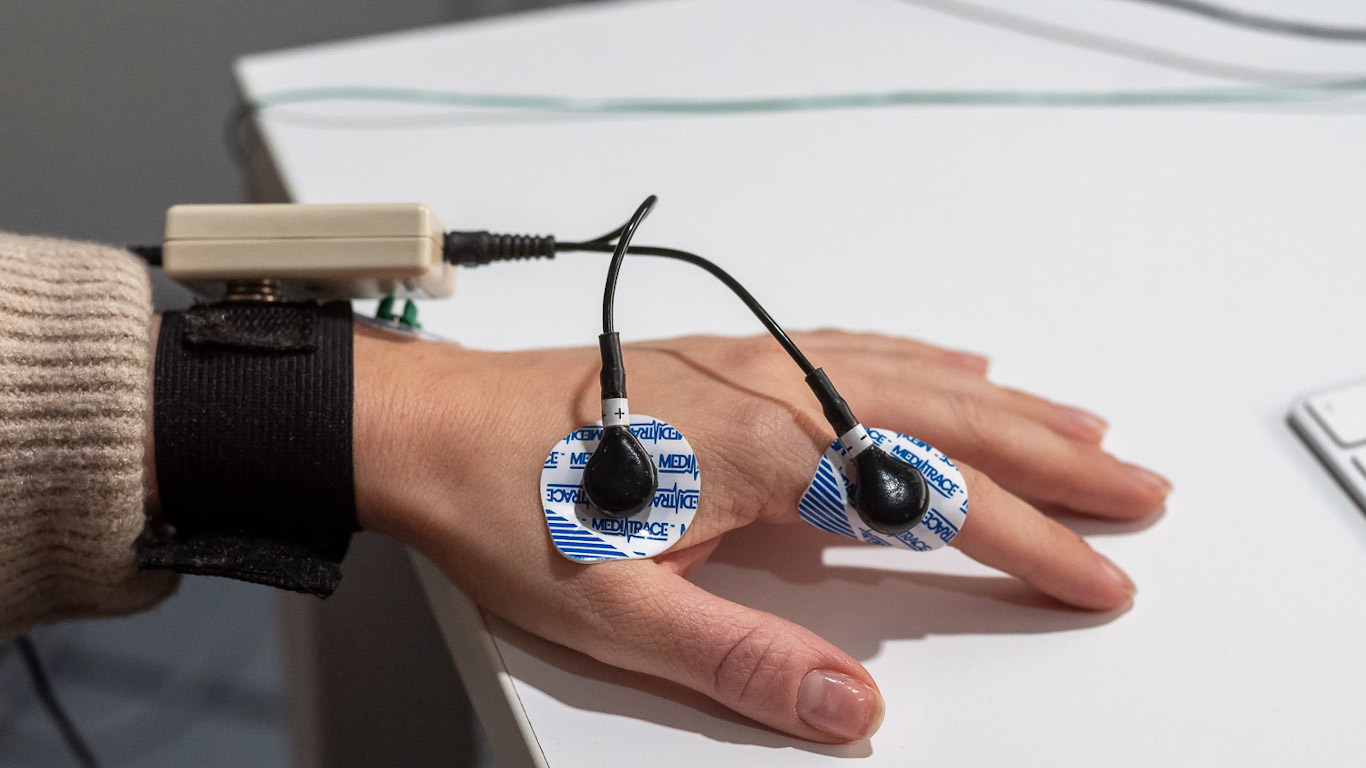
structural and functional magnetic resonance imaging -MRI/fMRI-, electroencephalography -EEG-), studies
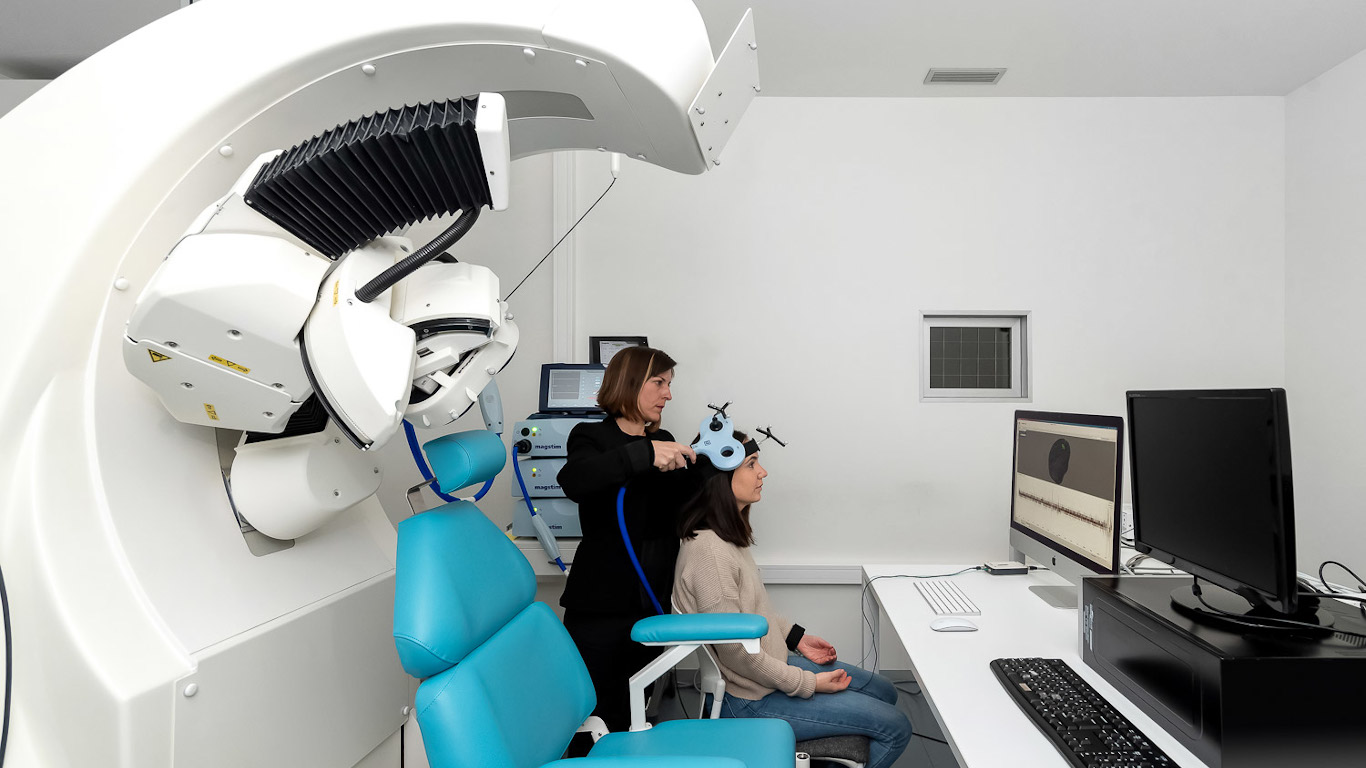
neuropsychological, brain stimulation (transcranial magnetic stimulation -TMS-,
and electrical stimulation -tDCS/tACS-), computational models and evolutionary studies.
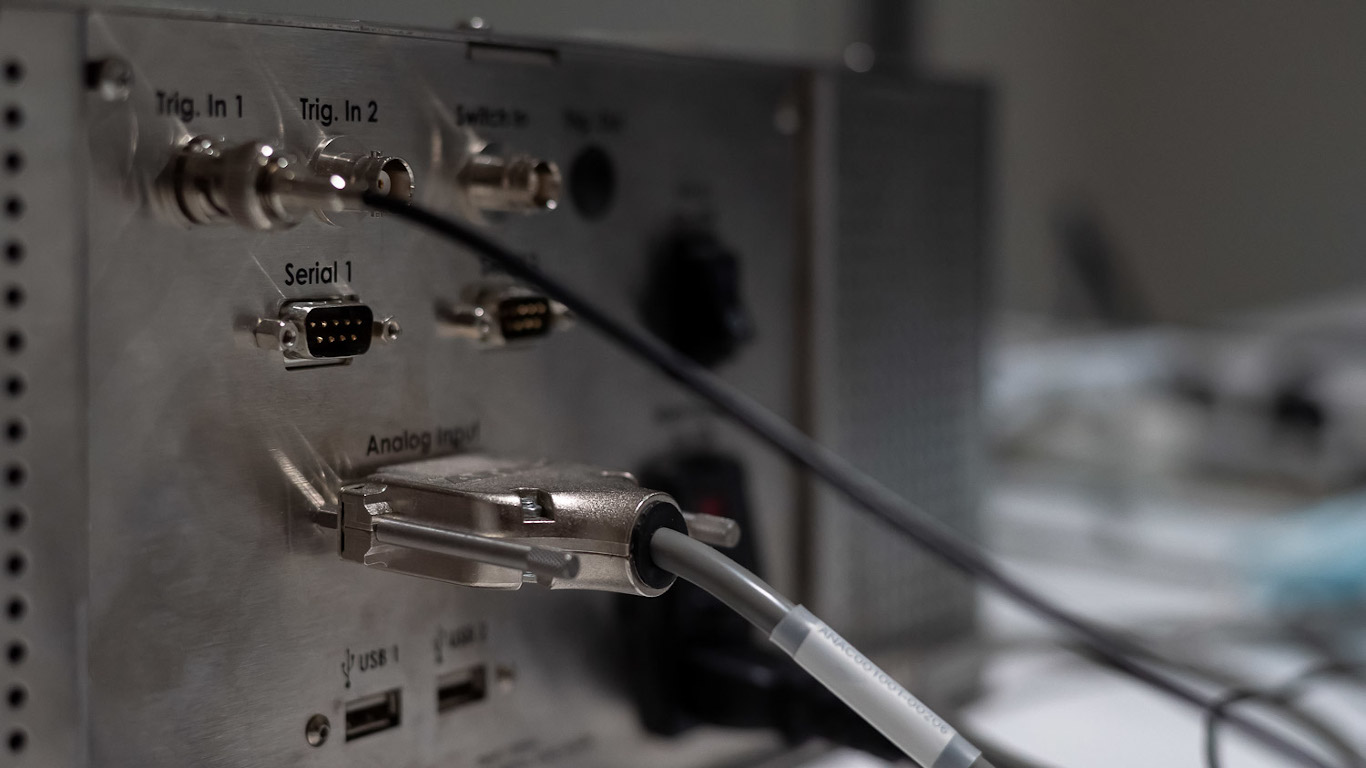
The Cognitive Neuroscience group has access to all these recording equipment and
stimulation of brain activity, as well as maintaining collaborations with personal
neuropsychological study of the Hospital de San Rafael and other hospitals in Granada, which
facilitates the application of the results to clinical practice.
The research topics in the group are very broad. They have multiple
national and international research programs in the fields of control cognitive, attention, perception, prosecution of weather, learning-memory, language and affective and social neuroscience. The group is part
of the thematic network of cognitive neuroscience (RNCC), which facilitates the development of research collaborations between Spanish researchers from the
area. In addition, many members of the group maintain collaborations with other
researchers at various foreign universities.